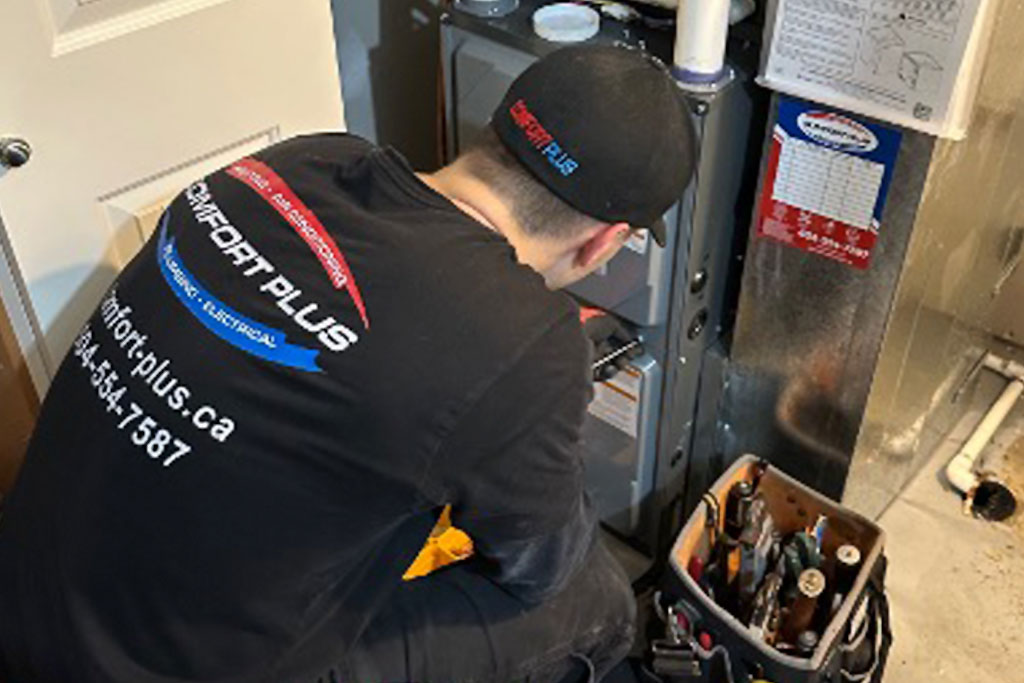
As winter approaches in British Columbia, homeowners must ensure their heating systems are ready to provide warmth and comfort during the colder months. A well-maintained furnace not only keeps your home cozy but also helps avoid unexpected breakdowns that can lead to discomfort and costly repairs. Here’s a comprehensive guide to preparing your furnace for the winter season, ensuring it operates efficiently and reliably.
TL;DR – Quick Take
- Replace your furnace filter every 1–3 months.
- Schedule a fall tune-up before cold weather hits.
- Seal leaks and check your thermostat for efficiency.
- Test CO detectors for safety.
- Look into rebates for high-efficiency furnace upgrades.
- Maintain your humidifier, fireplace, and ventilation for optimal comfort.
Step 1: Change or Clean Your Furnace Filter
One of the simplest yet most effective ways to maintain your furnace is by regularly checking and replacing its air filter. A clean filter is crucial for optimal airflow and efficiency.
Importance of Regular Filter Maintenance
- Energy Efficiency: A clogged filter forces your furnace to work harder, leading to increased energy consumption and higher utility bills.
- Air Quality: Dirty filters can circulate dust and allergens throughout your home, negatively impacting indoor air quality.
Recommended Practices
- Monthly Checks: Inspect your filter monthly, especially during peak usage months.
- Replacement Frequency: Depending on the type of filter, it should be replaced every 1 to 3 months. If you live in areas with high dust levels or wildfire smoke, consider changing it more frequently.
If you’re unsure about the right filter for your furnace, consult a local HVAC professional who can provide guidance and even assist with installation.
💡 Pro Tip: Set a calendar reminder every month to check your furnace filter—especially during wildfire season in BC when air quality fluctuates.
Step 2: Schedule a Professional Furnace Tune-Up
An annual furnace tune-up is essential for ensuring your heating system operates at peak performance.
Benefits of Professional Maintenance
- Thorough Inspection: A qualified technician will inspect and clean critical components such as burners, blowers, and heat exchangers.
- Safety Checks: They will check for gas leaks and carbon monoxide risks, ensuring your home remains safe.
- Efficiency Testing: Technicians will assess your system’s efficiency, making necessary adjustments to optimize performance.
Timing Your Tune-Up
It’s advisable to schedule your furnace tune-up in the fall, before the cold weather sets in. This proactive approach can help identify potential issues before they become significant problems.
Step 3: Check and Upgrade Your Thermostat
Your thermostat plays a crucial role in regulating your home’s temperature. If it’s not functioning correctly, your furnace may not operate efficiently.
Testing and Upgrading
- Calibration: Test your thermostat settings to ensure they are accurate. An improperly calibrated thermostat can lead to inconsistent heating.
- Smart Thermostats: Consider upgrading to a smart thermostat, which can provide better control over your heating system and may qualify for energy rebates.
Benefits of Smart Thermostats
- Remote Control: Many smart thermostats allow you to adjust settings from your smartphone, ensuring your home is warm when you arrive.
- Energy Savings: These devices can help reduce energy consumption by optimizing heating schedules based on your habits.
Step 4: Seal Air Leaks Around Your Home
Even the most efficient furnace installation cannot compensate for a drafty home. Sealing air leaks is essential for maintaining a comfortable indoor environment.
Identifying and Sealing Leaks
- Common Areas: Check doors, windows, and ductwork for any gaps or leaks.
- Weather Stripping and Caulking: Adding weather stripping or caulking is a cost-effective way to prevent heat loss.
Professional Duct Inspection
Consider having your ductwork inspected during your furnace service. A professional can identify leaks or poor connections that may hinder your system’s efficiency.
Step 5: Test Carbon Monoxide Detectors
Carbon monoxide (CO) is a serious risk associated with fuel-burning furnaces. Ensuring your CO detectors are functional is crucial for safety.
Safety Measures
- Detector Placement: Install CO detectors on every floor of your home, particularly near sleeping areas.
- Battery Replacement: Replace the batteries in your detectors before winter begins to ensure they are operational.
Professional Safety Checks
During a furnace tune-up, technicians can perform safety checks to confirm that your system is running safely and that there are no hidden risks.
Step 6: Know the Signs of Furnace Trouble
Being aware of the early warning signs of furnace issues can save you from costly repairs and discomfort.
Common Indicators
- Unusual Noises: Listen for banging, rattling, or squealing sounds, which may indicate mechanical problems.
- Weak Airflow: If you notice weak airflow or inconsistent heating, it may be time to call a professional.
- Increased Utility Bills: A sudden spike in your heating bills can signal inefficiency or malfunction.
- Pilot Light Color: A yellow pilot light instead of blue can indicate incomplete combustion, which requires immediate attention.
- ⚠️ Safety First: A yellow furnace pilot light could indicate carbon monoxide issues. Turn off your furnace and call a professional immediately.
If you observe any of these signs, don’t wait, book a furnace repair service promptly to address the issue before it escalates. You can also read our guide on the signs your furnace or A/C needs immediate attention.
Step 7: Plan Ahead for Rebates and Upgrades
If your furnace is over 15 years old, it may be time to consider an energy-efficient furnace replacement. Newer, high-efficiency models can significantly reduce operating costs.
Here’s a quick comparison of common furnace and heating system options for BC homeowners:
| Furnace Type | Energy Efficiency (AFUE) | Cost Range | Lifespan | Ideal For |
| Standard Gas Furnace | 80–89% | $$ | 15–20 years | Budget-conscious homeowners |
| High-Efficiency Furnace | 90–98% | $$$ | 15–25 years | Energy savers, rebate seekers |
| Heat Pump System | 200–300% (COP) | $$$$ | 15–20 years | Mild BC winters, dual heating/cooling |
Understanding Rebates
Many utility companies offer rebates for upgrading to energy-efficient systems. Research available programs to help offset the cost of a new furnace or ductless mini-split system, which is ideal for BC’s mild winters.
Step 8: Maintain Your Humidifier
Dry air can be a common issue in BC homes during winter, leading to discomfort and health issues. A whole-home humidifier can help maintain optimal humidity levels.
Importance of Humidity Control
- Comfort: Proper humidity levels can make your home feel warmer and more comfortable.
- Health Benefits: Maintaining humidity can reduce the risk of respiratory issues and dry skin.
Regular Maintenance
If you have a whole-home humidifier, ensure it is properly maintained before the heating season begins. This includes cleaning and checking for any necessary repairs.
Step 9: Inspect Your Fireplace and Chimney
If your home has a fireplace, it’s essential to ensure it is safe and ready for use during the winter months.
Professional Inspection
- Chimney Cleaning: Hire a certified chimney sweep to inspect and clean your chimney, removing any creosote buildup that could pose a fire hazard.
- Safety Checks: Ensure that the structure is sound and that proper clearances are maintained.
Regular Use Guidelines
Follow the National Fire Protection Association (NFPA) guidelines for fireplace and chimney maintenance to ensure safe operation throughout the winter.
Step 10: Ensure Proper Ventilation
Proper ventilation is crucial for your furnace to operate efficiently and safely.
Ventilation Checks
- Ductwork Inspection: Inspect your ductwork for any blockages or leaks that could impede airflow. If you notice any issues, schedule a duct inspection service to ensure proper airflow and efficiency.
- Airflow Management: Ensure that all supply and return vents are open and unobstructed to allow for optimal airflow throughout your home.
Addressing Duct Issues
If you notice any issues with your ductwork, contact a professional to assess and repair any leaks or damage.
Step 11: Monitor Fuel Levels
If your furnace runs on propane or heating oil, it’s essential to monitor your fuel levels throughout the winter.
Fuel Management Tips
- Regular Checks: Keep an eye on your fuel gauge and schedule deliveries before running low.
- Avoiding Emergencies: Running out of fuel can lead to inconvenient heating interruptions, so plan ahead to ensure you have enough supply.
Understanding Fuel Needs
Estimate your heating fuel needs based on previous winters and adjust your delivery schedule accordingly to avoid running out.
FAQ: Preparing Your Furnace for Winter
Q1: How often should I replace my furnace filter in BC?
A: Typically, every 1–3 months, but more often during wildfire or heavy dust seasons.
Q2: What temperature should I set my thermostat to in winter?
A: The Government of Canada recommends 20°C (68°F) when home and 17°C (63°F) at night for efficiency.
Q3: What are the signs my furnace needs replacing?
A: If it’s over 15 years old, makes unusual noises, or causes rising energy bills—it’s time to explore furnace upgrade options.
Final Thoughts: Enjoy a Safe, Warm BC Winter
Preparing your furnace for the winter season is not just about comfort; it’s also about ensuring safety and efficiency. By following these steps, you can help your heating system operate reliably throughout the colder months.
With a little proactive maintenance and attention to detail, you can enjoy a warm and worry-free winter in your BC home. If you need assistance with any of these tasks, consider reaching out to a local HVAC professional who can provide expert guidance and services tailored to your needs.
By taking these steps, you’ll be well-prepared for whatever winter weather comes your way, ensuring your home remains a cozy haven during the chilly months ahead.
Stay Warm This Winter with Comfort Plus!
Don’t leave your home’s comfort and safety to chance. Schedule a professional furnace tune-up, maintenance, or consultation with Comfort Plus today and ensure your heating system is ready for whatever BC winter brings.