How Your HVAC System Can Reduce Home Allergens
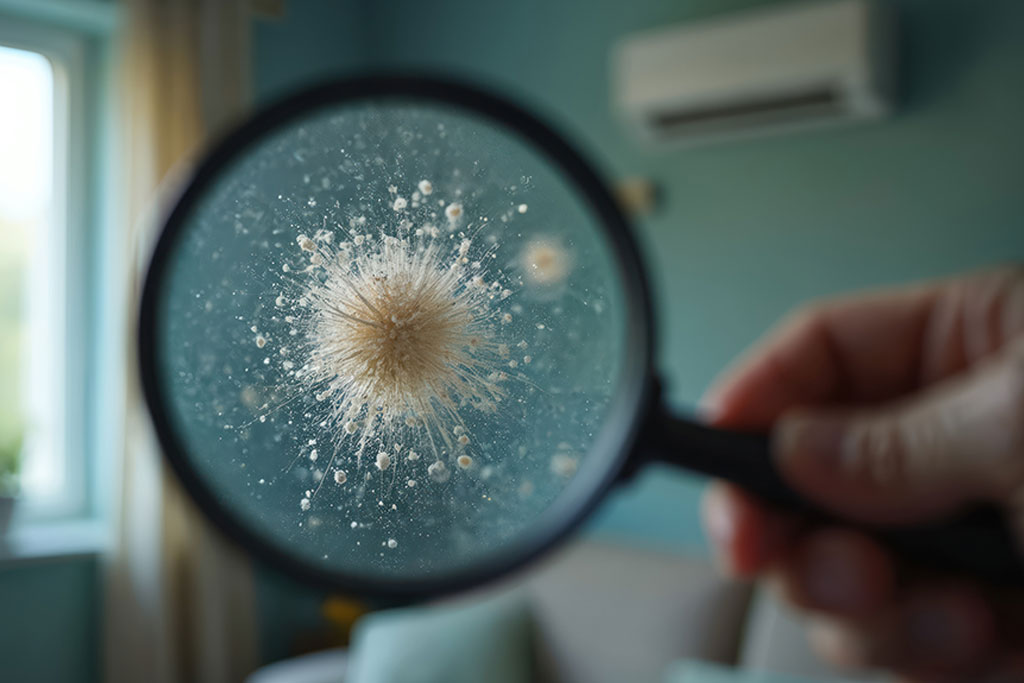
If you or someone in your household sneezes, coughs, or experiences itchy eyes the moment you walk through your front door, the culprit may be lurking in your air not just on your surfaces. Dust mites, pet dander, mould spores, and pollen are among the most common indoor allergens, and in a climate like Greater Vancouver’s, where homes are tightly sealed for much of the year and humidity levels run high, these particles can accumulate quickly.
The good news? Your HVAC system, when properly set up and maintained, is one of the most powerful tools you have to fight back against indoor allergens. From high-efficiency filtration to humidity control and UV purification, a well-tuned heating and cooling system does far more than regulate temperature. It actively cleans the air your family breathes every single day.
In this article, the team at Comfort Plus, HVAC contractors serving Greater Vancouver and the Lower Mainland breaks down exactly how your system can reduce home allergens, what upgrades make the biggest difference, and the maintenance habits every homeowner should follow.
Why Indoor Air Quality Matters for Allergy Sufferers in Vancouver
British Columbia’s Lower Mainland is known for its lush, green environment but that same ecosystem produces abundant pollen in spring through to autumn, while the region’s persistent rainfall creates conditions where indoor mould can thrive year-round. Homes and condos in Vancouver, Burnaby, Coquitlam, Richmond, and Surrey are often well-insulated, which is great for energy efficiency but means allergens can build up indoors if you don’t have adequate ventilation and filtration.
According to health data, Canadians spend approximately 90% of their time indoors. That means the air inside your home has a far greater impact on respiratory health than outdoor air quality. Common indoor allergens include:
- Dust mites – microscopic organisms that thrive in bedding, carpets, and upholstered furniture
- Pet dander – tiny flakes of skin shed by cats, dogs, birds, and other animals with fur or feathers
- Mould spores – produced by mould colonies that flourish in humid environments like bathrooms, basements, and crawlspaces
- Pollen – enters through windows, doors, and ventilation systems, peaking in spring and early summer
- Volatile Organic Compounds (VOCs) – released from cleaning products, paints, flooring, and furniture
For families dealing with asthma, allergic rhinitis, or other respiratory conditions, reducing the concentration of these particles is not just a matter of comfort – it’s a matter of health. Fortunately, a properly configured HVAC system is your first and most effective line of defense.
Quick Fact: Indoor air can be 2 – 5 times more polluted than outdoor air, according to Health Canada. Your HVAC system is the single biggest lever for improving it.
How Your HVAC System Filters Allergens from the Air
Every time your furnace, air conditioner, or heat pump runs, it draws air from your living spaces, passes it through a filter, conditions it, and redistributes it throughout your home. This continuous cycle means your HVAC system is constantly processing the air in your home, and the quality of that filtration determines how many allergens remain airborne.
Understanding MERV Ratings: Choosing the Right Air Filter
The Minimum Efficiency Reporting Value (MERV) rating tells you how effectively a filter captures particles of different sizes. The higher the MERV rating, the more allergens it removes. Here’s what you need to know:
- MERV 1–4: Basic fiberglass filters. Capture large debris but miss most allergens entirely. Not recommended for allergy sufferers.
- MERV 8: Standard pleated filters. Remove household dust, pollen, and mould spores. A reasonable baseline for healthy adults.
- MERV 11–12: Mid-range filters. Capture fine particles including pet dander, smoke, and bacteria. A solid choice for most homes with pets.
- MERV 13–16: High-efficiency filters. Recommended for allergy and asthma sufferers. Capture particles as small as 0.3 microns, including most airborne allergens, bacteria, and fine dust.
For most homes in the Greater Vancouver area, upgrading to a MERV 13 filter is one of the most cost-effective improvements you can make for indoor air quality. However, it is important to verify that your HVAC blower motor can handle the increased air resistance that comes with higher-MERV filters a check your Comfort Plus technician can easily perform during a service visit.
HEPA Filters: The Gold Standard for Allergen Capture
High-Efficiency Particulate Air (HEPA) filters capture 99.97% of particles as small as 0.3 microns including virtually all common household allergens. While true HEPA filtration requires a bypass cabinet installed alongside your existing HVAC system (standard HVAC ducts cannot accommodate true HEPA media), this upgrade is worth considering for households where someone suffers from severe allergies or asthma.
Comfort Plus offers indoor air quality solutions including advanced filtration options. Visit our Indoor Air Quality services page to learn more about the filtration systems we install throughout the Lower Mainland.
Humidity Control: A Critical Factor in Allergen Reduction
Humidity is one of the most overlooked aspects of indoor air quality, yet it has a direct and significant impact on allergen levels in your home. Dust mites and mould two of the most prevalent indoor allergens in BC homes — both thrive in humid environments. Keeping your home’s relative humidity between 30% and 50% creates conditions that are inhospitable to these organisms.
How Your HVAC System Manages Humidity
When operating properly, a central air conditioning system naturally reduces indoor humidity. As the air is cooled, moisture condenses on the evaporator coil and is removed through the condensate drain system. However, during Vancouver’s mild, damp winters, humidity levels can creep up without dehumidification.
This is where whole-home dehumidifiers integrated into your HVAC system become valuable. In winter, a whole-home dehumidifier maintains comfortable moisture levels to prevent dampness that encourages mould growth.
Comfort Plus installs whole-home dehumidifiers as part of our indoor air quality solutions. Combined with regular furnace maintenance, proper humidity control is one of the most impactful upgrades you can make.
UV Lamps: Killing Mould, Bacteria & Biological Allergens
One of the most powerful HVAC-based tools for reducing biological allergens is the UV lamp system installed directly inside your air handler or ductwork. UV-C light at specific wavelengths is proven to destroy the DNA of mould spores, bacteria, and viruses effectively neutralizing these allergens before they can circulate through your home.
Unlike filters, which capture particles, UV lamps kill biological contaminants. The two approaches are complementary: filtration removes physical allergen particles, while UV treatment eliminates living organisms. Together, they create a significantly cleaner air environment.
UV lamp systems are particularly valuable for Vancouver-area homeowners because our humid climate makes biological allergens especially mould a persistent challenge. Installing a UV lamp in your HVAC system is a highly effective way to keep mold spores from cycling continuously through your ductwork.
Learn more about UV Lamp installation for HVAC systems from Comfort Plus, serving Coquitlam, Vancouver, Burnaby, Richmond, Surrey, and all of the Lower Mainland.
Duct Cleaning and Sealing: Don’t Let Your Ductwork Undermine Your Air Quality
Your ductwork is the circulatory system of your home’s HVAC setup. Over time, dust, dander, mold spores, and debris accumulate inside the ducts — and every time your system runs, accumulated debris can recirculate through every room in your home. Leaky ducts compound the problem by pulling unfiltered air from attics, crawlspaces, and wall cavities directly into your living space.
Signs Your Ducts May Be Contributing to Allergen Problems
- Visible dust blowing from vents when the system starts
- Musty or stale odours when the furnace or AC first turns on
- Allergy symptoms that are noticeably worse indoors than outdoors
- It has been more than 5 years since your ducts were professionally cleaned
Professional duct cleaning removes accumulated debris and can dramatically reduce the allergen load being recirculated by your system. Duct sealing, where gaps and leaks in the ductwork are sealed with mastic or approved tape, prevents unfiltered air infiltration. Both services are highly recommended for older homes and for any home where allergy symptoms have been worsening.
Heat Pumps, Ductless Mini-Splits & Indoor Air Quality
Modern heat pump systems and ductless mini-splits offer some compelling advantages for allergy sufferers. Because heat pumps run at variable speeds for longer, lower-intensity cycles, they keep air circulating continuously through the filter unlike single-stage systems that blast at full power and then shut off. This extended filtration time means more passes through the filter per hour, which translates to cleaner air.
Ductless mini-splits are an especially interesting option for rooms where allergen control is a priority such as bedrooms because they deliver conditioned, filtered air without any ductwork at all, eliminating the risk of duct-based contamination entirely. However, it is important to note that built-in ductless filters need to be cleaned regularly. Some brands have options for increased filtration.
Comfort Plus installs and services heat pump systems and ductless mini-splits throughout Greater Vancouver. Our team can advise you on the best configuration for both comfort and air quality.
HVAC Maintenance: The Foundation of Allergen Control
All systems and upgrades described above only work as intended when your HVAC system is properly maintained. A neglected system with dirty filters, fouled coils, or a system running outside its optimal parameters can actually make allergen problems worse rather than better.
Essential HVAC Maintenance for Allergen Reduction
- Replace or clean air filters every 1–3 months (monthly during peak allergy seasons in spring and fall)
- Schedule professional yearly HVAC maintenance.
- Inspect and clean ductwork every 3–5 years, or sooner if symptoms worsen
- Test and maintain the system’s humidity control functions seasonally
- Replace UV lamp bulbs annually (UV output degrades even if the bulb still glows)
Comfort Plus offers comprehensive HVAC service and maintenance plans throughout the Lower Mainland, including our Comfort Care Club membership a priority maintenance program that keeps your system running at peak efficiency year-round. Members receive scheduled tune-ups, priority service, and exclusive discounts on repairs and upgrades.
Allergen Reduction Beyond Your HVAC: A Whole-Home Strategy
While your HVAC system is the most powerful tool for allergen control, it works best as part of a comprehensive strategy. A few complementary habits will amplify the impact of a well-maintained, properly configured heating and cooling system:
- Vacuum frequently with a HEPA-equipped vacuum cleaner to remove allergens from carpets and upholstery before they become airborne
- Wash bedding weekly in hot water (above 55°C) to kill dust mites
- Keep windows closed during high-pollen days in spring and early summer rely on your HVAC ventilation instead
- Remove shoes at the door to prevent tracking pollen and outdoor allergens through your home
- Groom and bathe pets regularly to minimize the volume of dander shed indoors
- Address any water leaks or moisture intrusion, mould can establish itself within 24–48 hours in damp conditions
FAQs
Q: What MERV rating filter should I use for allergies in my Vancouver home?
For most allergy sufferers in the Lower Mainland, a MERV 13 filter offers the best balance of particle capture and airflow. If someone in your household has severe asthma or respiratory conditions, discuss a HEPA bypass system with your HVAC contractor. Always verify your system’s blower capacity before upgrading to a higher-MERV filter.
Q: How often should I change my furnace filter to reduce allergens?
During peak allergy seasons, plan to check your filter monthly and replace it whenever it appears grey or clogged. For the rest of the year, every 2–3 months is a reasonable schedule. Households with pets or multiple occupants should replace more frequently.
Q: Does a heat pump improve indoor air quality compared to a gas furnace?
A heat pump does not provide filtration, The filtration would be the same as with just a furnace or air handler. However, because heat pumps have a longer run time at lower speeds (especially variable-speed models), air passes through the filter more frequently per day, which can improve allergen removal. The choice between heat pump and furnace should be guided by your home’s overall heating and cooling needs, not filtration alone.
Q: Is duct cleaning necessary to reduce home allergens?
Professional duct cleaning is beneficial if your ducts are visibly dirty, if you’ve recently renovated, if you’ve moved into a previously occupied home, or if allergy symptoms have worsened despite good filter maintenance. For most well-maintained homes, duct cleaning every 3–5 years is a reasonable interval. It should always be accompanied by sealing any duct leaks discovered during the inspection.
Q: Do UV lamps in HVAC systems really work for allergies?
Yes, UV-C lamps installed in HVAC systems are highly effective at neutralizing biological allergens, including mould spores and bacteria. They will not remove physical particles (dust, pollen, dander) that’s the job of your filters. UV lamps are most valuable as a complement to good filtration, particularly in humid climates like Greater Vancouver’s where mould is a recurring concern.
Breathe Easier with Comfort Plus – HVAC Specialists in Greater Vancouver
Your home should be a refuge. A place where you and your family can breathe clean, healthy air regardless of what’s happening outside. Whether it’s Vancouver’s spring pollen season, a damp Lower Mainland winter, or year-round pet dander, the right HVAC setup makes a profound difference.
At Comfort Plus, our certified technicians are experienced in designing and maintaining HVAC systems that prioritize both comfort and indoor air quality. We serve homeowners and businesses across the Greater Vancouver area including Coquitlam, Port Coquitlam, Burnaby, Richmond, Surrey, Langley, North Vancouver, and beyond.
Our indoor air quality services include:
- High-efficiency filtration systems (MERV 13+, HEPA bypass)
- UV lamp installation for HVAC systems
- Whole-home humidifier and dehumidifier installation
- Furnace maintenance and filter replacement services
- Heat pump installation and maintenance
- Ductless mini-split systems for targeted room comfort
- Comfort Care Club – priority HVAC maintenance plans
Ready to improve your home’s indoor air quality? Contact Comfort Plus today for a free estimate or call us at (604) 554-7587. We respond within 24 hours and our team is available Monday–Friday, 7:30 am – 4:00 pm. Let us help you breathe easier.