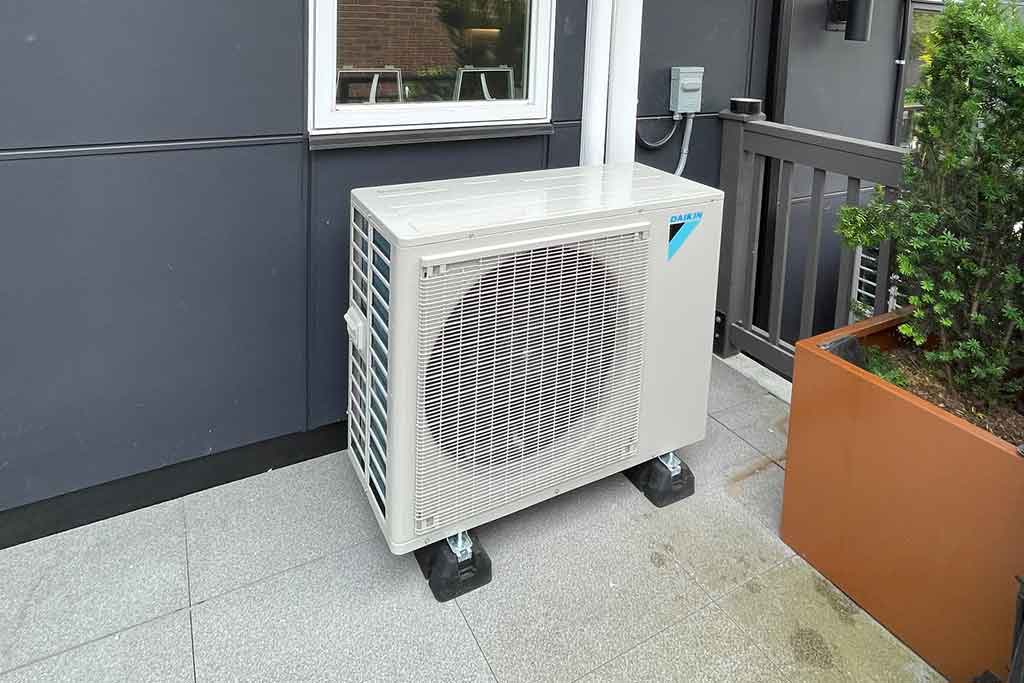
Heat pumps have emerged as the most versatile and energy-efficient solution for maintaining comfortable indoor temperatures throughout the year. For homeowners in British Columbia, these systems are a game-changer, offering high-performance heating services in the winter and reliable air conditioning in the summer.
In this article, we’ll explore how heat pumps work, the different types available, and why they are the preferred choice for modern HVAC upgrades.
What is a Heat Pump?
A heat pump is an energy-efficient HVAC system that transfers thermal energy between the indoors and outdoors using a refrigeration cycle. Unlike furnaces that generate heat through combustion, heat pumps move existing heat, providing both cooling and heating from a single unit.
How Do Heat Pumps Work?
Heat pumps operate on a refrigeration cycle similar to your kitchen fridge.
- In Heating Mode: The system extracts ambient heat from the outside air (even in cold temperatures) and transfers it indoors.
- In Cooling Mode: It reverses the process, removing heat from your indoor air and releasing it outside, functioning exactly like anair conditioner.
Expert Insight: Because they move heat rather than create it, heat pumps can achieve a Coefficient of Performance (COP) of 3.0 or higher, meaning for every 1 unit of electricity used, you get 3 units of heat
Call us at (604) 554-7587 for more information or to Get a FREE quote today!
Key Components of Heat Pumps
- Compressor: This component compresses the refrigerant, raising its temperature and pressure.
- Condenser: In heating mode, the condenser releases heat into the indoor space, while in cooling mode, it expels heat outside.
- Expansion Valve: This valve regulates the flow of refrigerant, allowing it to expand and cool before entering the evaporator.
- Evaporator: The evaporator absorbs heat from the environment, causing the refrigerant to evaporate and turn into gas.
Types of Heat Pumps
1. Air-Source Heat Pumps
Air-source heat pumps are the most common type, extracting heat from the outdoor air. They are available in two configurations: split systems and packaged systems. Split systems consist of an outdoor unit and an indoor air handler or furnace, while packaged systems combine both components into a single unit.
2. Ground-Source Heat Pumps
Also known as geothermal heat pumps, ground-source systems utilize the stable temperatures found underground. They require a network of buried pipes to exchange heat with the ground, making them highly efficient, especially in extreme climates. These systems can be more expensive to install but offer significant long-term savings on energy bills.
3. Ductless Mini-Split Heat Pumps
Ductless mini-split systems are ideal for homes without existing ductwork. They consist of an outdoor unit connected to one or more indoor units, allowing for targeted heating and cooling in specific areas. This flexibility makes them a popular choice for renovations or additions.
Key Benefits of Making the Switch
- Drastic Energy Savings: By switching from electric baseboards or oil furnaces, homeowners often see a massive reduction in monthly utility bills.
- Eco-Friendly Footprint: Heat pumps run on electricity and utilize renewable thermal energy, helping you lower your household carbon emissions.
- Dehumidification: In the summer, heat pumps are superior at removing humidity compared to many older AC units.
Considerations for Heat Pump Installation
Climate Suitability
While heat pumps are effective in a variety of climates, their performance can be affected by extreme temperatures. In colder regions, cold climate heat pumps are designed to operate efficiently even when outdoor temperatures drop significantly. Homeowners in these areas should consider this option for optimal performance.
Sizing and Installation
Proper sizing is crucial for the effective operation of a heat pump. An HVAC professional can perform a load calculation to determine the appropriate size for your home. Additionally, installation quality plays a significant role in the system’s efficiency and longevity.
Maintenance Requirements
Regular maintenance is essential to keep heat pumps running efficiently. Homeowners should schedule annual inspections and cleanings to ensure optimal performance. This includes checking refrigerant levels, cleaning filters, and inspecting electrical components.
Cost Considerations
Initial Investment
The upfront cost of heat pump installation can vary based on the type of system, size, and complexity of the installation. While air-source heat pumps tend to be more affordable, ground-source systems may require a higher initial investment due to the excavation needed for installation.
Long-Term Savings
Despite the initial costs, heat pumps can lead to significant long-term savings on energy bills. Homeowners can often recoup their investment within a few years through reduced heating and cooling costs.
Incentives and Rebates
Many regions offer incentives and rebates for energy-efficient HVAC upgrades, including heat pumps. Homeowners should research available programs to help offset installation costs.
Conclusion
Heat pumps represent a smart investment for homeowners seeking an efficient and environmentally friendly heating and cooling solution. With their ability to adapt to seasonal changes and their potential for significant energy savings, heat pumps are an excellent choice for modern homes.
Call us at (604) 554-7587 for more information or to Get a FREE quote today!
FAQs
1. How do heat pumps compare to traditional heating systems?
Heat pumps are generally more energy-efficient than traditional heating systems, as they move heat rather than generate it. This results in lower energy bills and a smaller carbon footprint.
2. Can heat pumps work in extremely cold climates?
Yes, cold climate heat pumps are specifically designed to operate efficiently in low temperatures. They can provide reliable heating even when outdoor temperatures drop significantly.
3. What maintenance do heat pumps require?
Regular maintenance includes cleaning or replacing filters, checking refrigerant levels, and scheduling annual inspections with an HVAC professional.
4. Are heat pumps noisy?
Modern heat pumps are designed to operate quietly. However, noise levels can vary based on the model and installation. Ductless systems tend to be quieter than traditional units.
5. How long do heat pumps last?
With proper maintenance, heat pumps can last 15 to 20 years or more. Regular servicing can help extend their lifespan.